Stunning and Easy Container Garden Designs For You
Get inspired by container garden designs that are super-easy to recreate at home. Just click an image and follow the instructions to make the design for yourself.
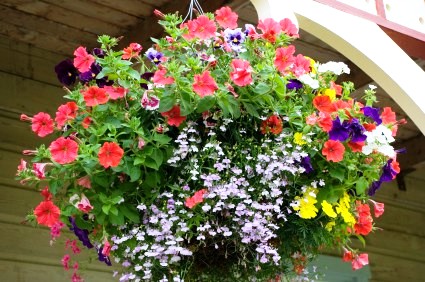
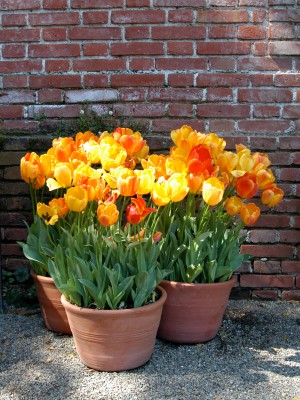
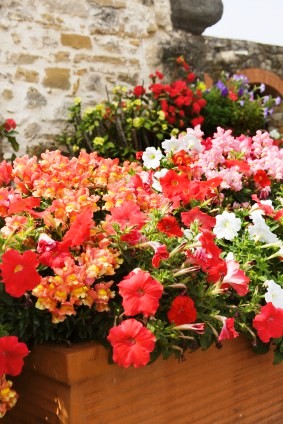
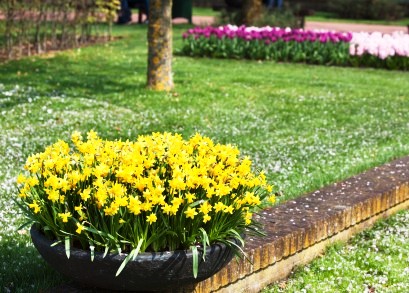
Have a design you'd like to share? Click here to send
us a photo!
Why Container Gardening is So Versatile
Container gardening offers you the chance to grow plants anywhere, in a yard or on a balcony or porch.
You can take your containers indoors and create your own garden oasis in any room. And with container gardening, you can garden in an apartment or city.
Three other positives of including container gardening in your garden designs are:
you don't have to dig or till a garden spot.
It's also easier on the back and knees, and you can easily change the look of your container garden by moving a few containers or pots.
And if you really want to create a unique garden, mix your pots. You can go terracotta, or use an old beat-up teapot.
My saying is, "If it will hold dirt, then it can be a container!"
As you can see from this Barbie Dream Car convertible toy, repurposed as a home for ferns, the 'green' movement gives a whole new meaning to recycling!
...including paint cans, tires, a shopping trolley, old tree stump and much, much more!
Now it's time to consider which plants you will grow alone, add to your flower garden, etc.
Vegetables, trees, shrubs, flowers and fruit all grow well on containers. And mixing all the varieties will add to your garden oasis look.
Steps to Include Containers in Your Garden Designs
Plants of choice – chose your plants beforehand to help you pick the pots you will need.
Start collecting:
- planting pots and containers – get creative
- soiless potting mix
- rich soil or compost
- organic fertilizer
- small rocks
- pea grave
1. Are you growing vegetables, herbs, flowers, or a mix in your Garden Designs? I suggest mixing them. You get a colorful look and companion planting helps most plants to grow and thrive better. Your choices will be based on your needs.
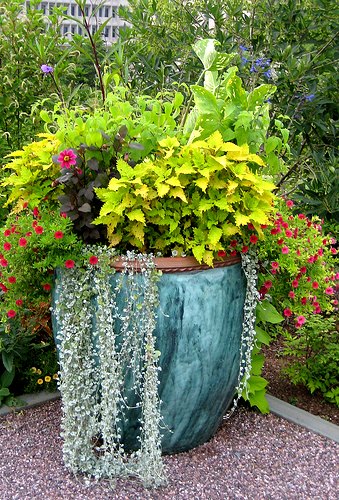 Photo used under creative commons licence with the kind permission of Flickr and
SDCDeaCerte
Photo used under creative commons licence with the kind permission of Flickr and
SDCDeaCerte2. Make sure your containers are clean and dirt-free. I usually wash my pots with a light bleach or vinegar and them let them air until they are dry.
Also check for good drainage and make sure, particularly if your containers are indoors, that you have them sitting on a plate, saucer or reservoir to catch any water.
For all indoor containers I use pebbles in reservoir trays to help the plant drain and to add humidity around the plants. Sometimes a plastic container inside the pot is a good idea.
And finally when choosing a container, remember that the larger the plant when it's mature, the bigger the container should be.
3. Your plants will only be as good as your soil, so buy high quality soil or use compost. Indoors, I tend to use more soilless potting mixes. It cuts down on indoor plant diseases. And make sure to have organic fertilizer on hand for you plants, particularly vegetables. They will require an extra boost to produce a good crop.
4. Layer half to three-quarters of an inch of pea gravel in the bottom of your containers to help drainage and root health. Small clean pebbles can also be used.
Next, place the soil in the container, pack it down and slowly add some water, making sure you don’t add too much water or it will overflow and your soil will follow.
5. I let the pot sit for a bit and settle and drain. After the pot sits and drains, its time to add your plants or seeds. When the plant or seeds have started to grow and get used to their pot, I will add some organic fertilizer. Read the directions to make sure you apply the proper amount.
Your container garden plants are ready to be enjoyed in any and all garden designs!
Most flowers and vegetable like sun and would benefit form 5 to 7 hours of sun. Place these plants in an area where they will receive the most sunlight during the day.
Time will help you decide what amount of sun a plant needs. You can also pick up a good gardening book or search the web for additional information!
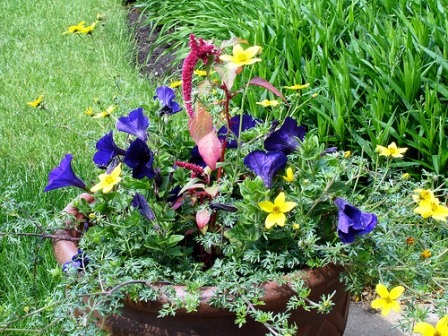 Photo used under creative commons licence with the kind permission of Flickr and
daryl_mitchell
Photo used under creative commons licence with the kind permission of Flickr and
daryl_mitchellRemember, the advantage of containers is that they can be moved. And when you group them together it makes a very pleasing display.
Container gardening lends itself to city and apartment gardeners. And although I don’t live in a city I enjoy my container gardens and potted plants for their ease in growing and their artistic value they add to my home.
Related Topics on Container Gardening For You
Beautiful Container Garden Pictures
Don't miss this amazing
page, packed with great-looking container garden designs and ideas.
Container Vegetable Gardening Tips
Grow your own
food with our detailed, in-depth guides to growing potatoes, Brussel sprouts, salad and much more.
Share Your Container Garden Design Pics!
Have a beautiful Container Garden Design and a tip or two on how you grew it? Share it with us, we would love to see and read about it!
See Other Designs, Stories And Tips On Container Gardening
Click on the links below to see some great designs, stories and tips about container gardens. They were all taken and written by other visitors to this page.
Must-See
Container Garden Ideas!
25 Incredible Container
Designs
You Can Do At Home
Bizarre Planters!
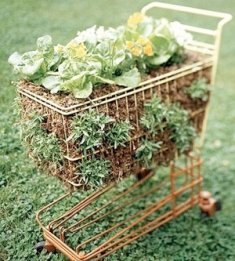
Reduce, Reuse, Recycle: Container Gardens in Shopping Cart, Broken Doll, Barbie Car and More!
Names of Flowers
Made Easy
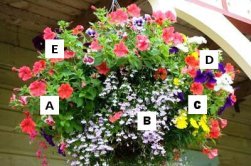
What's That Flower Again?! Find Your Favorites With Our Easy-to-Use Labeled Layouts
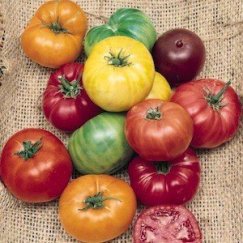
Step-by-Step Container Vegetable Gardening
Simple and Stunning Container Recipes!
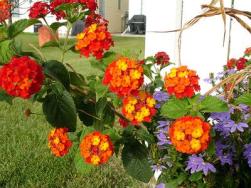
You Won't Need Green Fingers to Arrange These Layouts at Home